Understanding Credit Card Fraud
📅 2026 Update: Recent Trends in Credit Card Fraud
Since the original article was published, significant changes have occurred in the landscape of credit card fraud and identity theft. As of 2026, consumers face increased fraud losses and rising credit card interest rates. The information below highlights key updates relevant to understanding credit card fraud today.
📈 Increase in Reported Fraud Losses
Consumers reported losing over $12.5 billion to fraud in 2024. This marks a 25% increase from 2023. The rise in reported losses signals a growing concern about credit card fraud and identity theft.
💳 Record High Credit Card Interest and Fees
In 2022, credit card companies charged consumers a record $130 billion in interest and fees. This included over $105 billion in interest and more than $25 billion in fees. These figures reflect the financial burden consumers face amidst rising fraud.
🚨 Liability for Unauthorized Charges
If a consumer reports a lost or stolen credit card before it's used, they are not responsible for unauthorized charges. This protection encourages prompt reporting and can help limit losses.
⏳ Reporting Deadlines
Consumers must report unauthorized charges within 60 days of receiving their account statement. This is crucial to minimizing liability and protecting against fraud.
📌 Key Points to Remember
- Consumers reported losing over $12.5 billion to fraud in 2024.
- Credit card companies charged a record $130 billion in interest and fees in 2022.
- Report lost or stolen cards promptly to avoid liability.
- Report unauthorized charges within 60 days of your statement.
- Consumer Financial Protection Bureau (CFPB) and Federal Trade Commission (FTC) provide resources for victims.
💡 Tips for Handling Credit Card Fraud
Review your situation with an attorney to understand your rights and options.
🔍 Monitor Your Accounts Regularly
Always check your credit card statements and account activity. Look for unauthorized transactions and report them immediately.
⏰ Report Losses Quickly
If your credit card is lost or stolen, report it right away. This helps you avoid liability for any unauthorized charges that may occur.
📅 Keep Track of Deadlines
Be aware of the 60-day reporting window for unauthorized charges. Missing this deadline can lead to increased liability for losses.
🛡️ Use Fraud Alerts
Consider placing a fraud alert on your credit report. This can make it harder for identity thieves to open accounts in your name.
🌐 Utilize Free Resources
Take advantage of resources from the CFPB and FTC. They provide guidance on reporting fraud and protecting your identity.
🏆 Credit Card Fraud Services Ranked by User Reviews (2026)
Various services help consumers manage credit card fraud and identity theft. These services are ranked based on Trustpilot data from October 2026. Keep in mind that ratings may change over time, and reviews can vary widely among users.
🥇 1. Aura
Aura has been rated 4.5. It is known for its identity theft protection, credit monitoring, and device security. However, Aura faced a data breach in 2026, which is a significant concern for potential users.
🥈 2. Experian
Experian holds a 4.1 rating. This service is recognized for its credit reporting, monitoring, and identity theft protection. Reviewers have noted issues with customer service and delays in dispute resolution.
🆓 Free Government Resources
The Consumer Financial Protection Bureau (CFPB) and the Federal Trade Commission (FTC) offer free resources and guidance on credit card fraud. They help consumers understand their rights and how to report fraud.
🔎 What to Compare When Choosing Services
- 🏦 Understand the types of protection offered.
- 🛠️ Check for monitoring services and alerts.
- 📞 Review customer service availability.
- 🔒 Assess the company’s data security measures.
- 💵 Compare costs and any hidden fees.
❓ Frequently Asked Questions
❓ What should I do if I notice unauthorized charges?
If you find unauthorized charges, report them to your credit card issuer immediately. This helps protect you from liability for those charges.
🔒 How can I protect my identity from fraud?
Regularly monitor your credit card statements and accounts. Additionally, consider placing fraud alerts with credit bureaus to enhance your protection.
📅 How long does a fraud investigation take?
The duration of a fraud investigation can vary. Contact your credit card issuer for specific timelines related to your case.
⚖️ What are the penalties for credit card fraud?
Violations of 18 U.S.C. § 1029 can result in fines and imprisonment. Penalties may vary depending on the severity of the crime.
📣 Where can I report identity theft?
You can report identity theft to the FTC and law enforcement. Both organizations provide resources to help you address the situation.
🏦 What happens if I report my card lost after unauthorized charges?
If you report your card lost or stolen after unauthorized charges, you may still be liable for those charges. Prompt reporting is crucial to limit your responsibility.
⚖️ Recent Cases Related to Credit Card Fraud
Recent court rulings highlight the ongoing issues surrounding credit card fraud. These cases often involve significant penalties and legal repercussions for individuals engaged in fraudulent activities.
- North Carolina court upholds convictions in fraud caseCourt of Appeals of North Carolina · July 1, 2026
- Virginia Court Upholds Caregiver's Conviction for TheftCourt of Appeals of Virginia · July 7, 2026
- Court affirms felony theft conviction of Phuong WongCourt of Appeals of Georgia · July 28, 2026
- Oregon Court of Appeals upholds identity theft convictionCourt of Appeals of Oregon · July 29, 2026
For more information on this topic, check out more rulings on the news page.
End of October 2026 Update
Understanding Credit Card Fraud: What It Is and How to Protect Yourself
Credit card fraud is a growing problem, with billions of dollars lost annually due to fraudulent activities. It can happen to anyone, and the consequences can be severe. It is essential to understand what credit card fraud is, how it happens, and how to protect yourself from becoming a victim.
What is Credit Card Fraud?
Credit card fraud is when someone uses your credit card or credit card information without your permission. It can happen when a thief steals your credit card, when someone uses your credit card information online, or when a scam artist scams you into providing your credit card information.
Types of Credit Card Fraud
There are several types of credit card fraud, including:
1. Skimming: Skimming occurs when your card is run through a skimming device that records your credit card information. The thief later uses that information to make purchases.
2. Phishing: Phishing involves scammers who create fake websites or emails that look like legitimate ones. They ask for your credit card information, which they use to commit fraud.
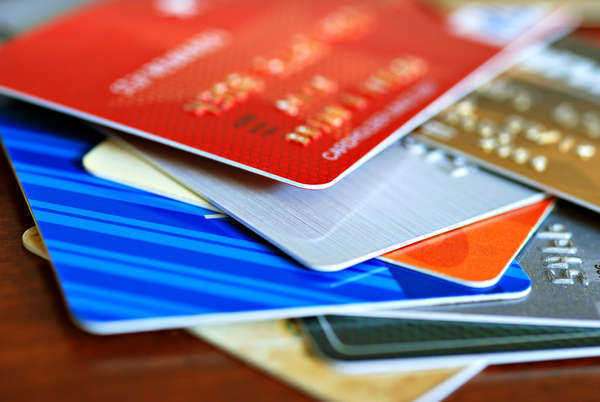
3. Identity Theft: Identity theft occurs when someone steals your personal information and uses it to obtain credit cards or other loans.
4. Counterfeit Cards: Scammers can create counterfeit credit cards using your information or someone else's, allowing them to make purchases in your name.
How to Protect Yourself from Credit Card Fraud
There are several steps you can take to protect yourself from credit card fraud, including:
1. Check your credit card statements regularly to ensure all charges are legitimate.
2. Be wary of any unsolicited emails, calls, or texts asking for your personal or credit card information.
3. Keep your credit card information safe and secure. Never give it out unless you know the recipient is legitimate.
4. Enable two-factor authentication on your accounts to add an extra layer of security.
5. Use strong passwords and change them regularly.
6. Use credit monitoring services to get alerts of any suspicious activity.
7. Report any lost or stolen credit cards immediately to your card issuer.
8. Use your credit card only on secure and reputable websites.
Conclusion
Credit card fraud can happen to anyone, but by understanding what it is and how it happens, you can take steps to protect yourself. Be vigilant with your personal and credit card information, monitor your accounts regularly, and report any suspicious activity immediately. Protecting yourself from credit card fraud is essential to ensure that you don't become a victim of this growing problem.
What is Credit Card Fraud?
Credit Card Fraud is a type of purposeful misrepresentation involving the misuse credit cards – or similar credit-based monetary systems. Credit Card Fraud can take place within a variety of settings, which include computer networks, the internet, E-Commerce and the online marketplace, and virtual-communicative activity; any or all of these methods may be undertaken in order to illicitly attain credit card information belonging to a victim of credit card fraud.
Due to the advent of technology, credit card fraud is not uncommon within a virtual setting, which can include the illegal and unlawful electronic access of personal financial information, the illicit attainment of personal electronic records or financial information, and the unethical and fraudulent misuse of credit cards belonging to other individuals.
Damage Caused by Credit Card Fraud
Although various means of Identity Theft exist, the multitude of results of this crime that span the severity of consequence are fairly uniform; victims of identity fraud my experience the loss of privacy, safety, security, and finances. Identity Theft undertaken by individuals engaging in credit card fraud may be committed over the computer with regard to the reception of stolen property purchased as a result of illegally obtaining another individual’s financial data and credit card information.
Due to the fact that the ability to purchase items and services through the internet creates a virtual marketplace in which credit card numbers - as well as other pertinent financial information – must be entered into a websites, the risk for hijacked information and subsequent Identity Theft is increased. The following are some measures taken by online marketplaces in order to avoid Identity Theft suffered by their customers and clients.
Credit Card Fraud Litigation
While the chance exists in which credit card fraud was committed without malicious or criminal intent, a prosecuting attorney engaging in criminal litigation must prove that criminal intent existed within an allegation of Credit Card Fraud.
In certain cases, commercial retailers – both physical and virtual – may require the production of accompanying identification in the midst of a credit card purchase. Furthermore, relatives and family members using credit cards belonging to other family members may be liable for credit card fraud charges.
How to Prevent Electronic Identity Theft
Methods undertaken in order to prevent Credit Card Fraud may include the implementation of Secured websites, required Passwords and heightened profile-based security measures, Telephone or email-based confirmation methods with regard to online purchases, the investigation of purchases or activities that do not follow specific – and individual – trends of behavior, and contractual compensatory means and financial restitution sponsored by the commercial operation in question.
Companies providing methods of Identity theft prevention - including Lifelock, which is one of the most widely-acclaimed and recognized – have employed protective measures ranging from securing online perimeters to communicative transmission inquiring about the validity of unsubstantiated activity; these types of companies have found their respective niche within the prevention of identity fraud upon providing protection in lieu of infringing on personal privacy.