Identity Theft Protection At A Glance
📅 2026 Update: Key Changes in Identity Theft Protection
Since the original article was published, important updates have occurred regarding identity theft laws and protections in the U.S. These changes impact how individuals can protect themselves and respond to identity theft. The article continues further down the page, providing detailed information for readers.
🛡️ New Consumer Protections
On October 7, 2026, the U.S. Code § 1681c–1 was updated to add protections for "protected consumers." This includes individuals under 16 years old and those unable to manage their financial affairs due to a mental or physical condition. This change broadens the scope of identity theft protection, making it easier for vulnerable groups to secure their identities.
💰 Costs of Protection Services
As of October 2026, identity theft protection services range from about $5 to $30 per month for individual plans. This totals $60 to $360 annually. Premium plans with more comprehensive monitoring and recovery benefits can be higher.
Family plans may cost between $180 to $750 or more each year.
📝 Fraud Alerts and Credit Freezes
Consumers can place a fraud alert for free by contacting any one of the three major credit reporting agencies. This alert lasts for one year and can be extended. Additionally, requesting a credit freeze is free and can be done through Equifax, Experian, or TransUnion.
The credit freeze must be activated within one business day if requested by phone or online.
⏳ Quick Processing Times
Credit reporting agencies must act quickly to freeze credit. They have one business day to place a freeze after a phone or online request. For fraud alerts, the activation is usually immediate, helping consumers act swiftly against potential identity theft.
📌 Summary of Key Updates
- 🛡️ New protections for consumers under 16 and those with disabilities.
- 💰 Identity theft protection services cost between $5 to $30 monthly.
- 📝 Fraud alerts are free and last for one year.
- ⏳ Credit freezes must be activated within one business day.
- 🏷️ Consumers have more tools for identity theft prevention.
💡 Tips for Protecting Your Identity
Review the details of your situation with your attorney.
🛡️ Use Credit Freezes
Always consider placing a credit freeze if you suspect identity theft. This restricts access to your credit report, making it harder for thieves to open accounts in your name.
📅 Place Fraud Alerts Promptly
If you believe you may be a victim of fraud, place a fraud alert as soon as possible. This notifies creditors to take extra steps to verify your identity.
🔍 Monitor Your Accounts
Regularly check your bank and credit card statements. Look for any unfamiliar transactions and report them immediately to your financial institution.
📞 Report Identity Theft
If identity theft occurs, report it to the Federal Trade Commission (FTC) and your local law enforcement. This is crucial for recovery and for protecting your rights.
🧾 Obtain Free Credit Reports
You have the right to get free credit reports from the three major credit reporting agencies. Review these reports regularly to catch any inaccuracies or fraudulent activity.
🛡️ Consider Identity Theft Protection Services
Evaluate the options for identity theft protection services. These services can help monitor your personal information and alert you to potential fraud.
🏆 Identity Theft Protection Services Ranked by User Reviews (2026)
This section reviews identity theft protection services based on user feedback. The rankings come from Trustpilot data checked in October 2026. Ratings can change, and while they provide insight, keep in mind that unhappy customers often leave reviews.
🥇 1. Aura
Aura has been rated 4.3. It is known for its digital security services, including identity theft protection and fraud monitoring. However, some users report issues with customer support responsiveness, which may affect service satisfaction.
🥈 2. LifeLock
LifeLock holds a 4.9 rating. It is recognized for its identity theft protection, credit monitoring, and financial alerts. Despite its high ratings, some users have mentioned problems with notification speed and occasional upselling tactics.
🆓 Free Options for Identity Theft Protection
Free help is available through government resources. The Federal Trade Commission (FTC) offers guidance on identity theft prevention and recovery. Additionally, the Consumer Financial Protection Bureau (CFPB) provides information on choosing identity theft protection services.
🔎 Comparing Identity Theft Protection Services
- 🏷️ Check available features like credit monitoring and fraud alerts.
- 💬 Look into customer service responsiveness and support options.
- 💰 Compare monthly and annual costs for plans.
- 📈 Review user ratings and feedback for insights on satisfaction.
- 📜 Examine any additional benefits, such as identity theft insurance.
❓ Frequently Asked Questions
❓ What is a credit freeze, and how does it work?
A credit freeze restricts access to your credit report. This prevents identity thieves from opening new accounts in your name and is free to place.
🔒 How long does a fraud alert last?
A fraud alert lasts for one year. You can extend it if you still feel at risk of identity theft.
🕵️♀️ How do I report identity theft?
Report identity theft to the FTC and your local law enforcement. You should also contact the fraud departments of the three major credit reporting agencies.
🏦 Can I get my free credit report?
Yes, you are entitled to free credit reports from each of the three major credit reporting agencies. Check these reports regularly for accuracy.
📊 What should I do if I find fraudulent activity?
If you see any fraudulent activity, report it immediately to your financial institution and place a fraud alert.
🛑 Are there penalties for identity theft?
Yes, identity theft is a federal crime punishable by fines and imprisonment. The penalties vary based on the severity of the crime.
⚖️ Recent Cases on Identity Theft
Recent court rulings highlight the ongoing challenges and legal responses to identity theft cases. These rulings connect to the rights and protections available to victims.
- Ohio Court affirms sentence in grand theft case against OchiaiOhio Court of Appeals · October 19, 2026
- Florida court reverses dismissal of Medicaid fraud chargesDistrict Court of Appeal of Florida · March 24, 2020
- Florida court affirms burglary, theft sentences for appellantDistrict Court of Appeal of Florida · October 13, 2020
- Florida court orders resentencing in Barnhart fraud caseDistrict Court of Appeal of Florida · December 21, 2020
For more recent rulings, browse the news section.
End of October 2026 Update
Identity Theft Protection At A Glance: Understanding and Protecting Yourself
Identity theft is a major threat to anyone with a digital presence. It is a crime in which an individual uses personal information about someone without their permission to commit fraud and other illegal activities. The consequences of identity theft can be severe, including financial losses and damage to reputation. In this article, we will provide an overview of identity theft protection, including what it is, how it works, and how to protect yourself.
What is Identity Theft Protection?
Identity theft protection helps individuals protect their personal information from being stolen and used without their consent. It includes preventing and detecting identity theft, monitoring credit reports, and seeking assistance to restore one's identity if victimized. It can also provide fraud alerts or notifications when there is something suspicious about an individual's account activity.
How Does Identity Theft Protection Work?
Identity theft protection works by monitoring individuals' information and comparing it with known data breaches or potential identity theft activity. It can include services such as credit monitoring, identity monitoring, and dark web scanning. These services alert individuals to any suspicious activity and give them actionable information to help protect their identity and prevent potential fraud.
Credit monitoring involves regular checks to individual credit reports for any new accounts, loans, or credit inquiries that a person may not have authorized. Identity monitoring tracks non-credit-based activities that use a person's personal identifying information. This monitoring includes public records, social media accounts, and other sources.
Dark web scanning helps in monitoring the dark web, where the buying and selling of stolen identification and data occur. By monitoring the dark web, identity theft protection services can identify and alert individuals to stolen or compromised information.
How to Protect Yourself from Identity Theft
There are several best practices you can follow to protect yourself from identity theft, including:
1. Keeping your personal information private: Be cautious with who you share your personal information with, don't disclose beyond necessary.
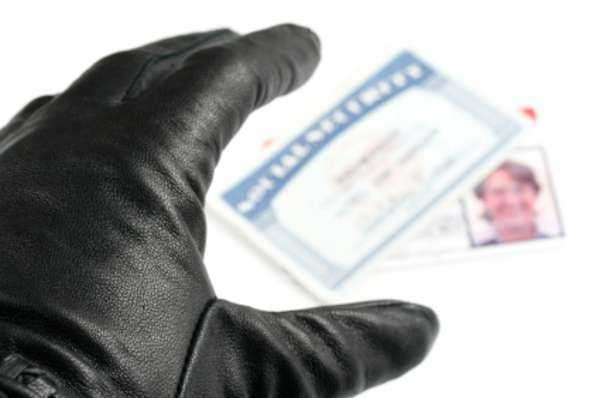
2. Protect your digital information: Create complex passwords and change them regularly. Enable two-factor authentication for all accounts.
3. Avoid clicking on suspicious links or pop-ups: These can introduce malware into your device or steal your personal information.
4. Regularly check your credit report: This can help you detect any potential fraudulent activities.
5. Be cautious with public Wi-Fi: Public Wi-Fi networks are open and unsecured which makes them an easy target for hackers to steal your information.
Conclusion
Identity theft protection is an essential part of digital living, and it's important to understand how to protect yourself in the digital world. By understanding what identity theft protection is and how it works, you can be better equipped to protect yourself from the potential risks of fraudulent activity. By following best practices to safeguard your identity, you can greatly reduce the risks of identity theft and protect your personal information.
What is Identity Theft?
As more consumer purchases are made online with the advancements of computer technology, identity theft has unfortunately become an everyday occurrence. It is estimated that nearly $50 billion dollars were fraudulently usurped through identity theft practices, with the average victim losing $6,000.
As defined by the Federal Trade Commission, Identity Theft occurs when a person uses another person’s personal and financial information, such as their name, address, bank account information or Social Security number. An estimated 9 million American’s are victims of identity theft annually.
Identity thieves access the aforementioned information by taking part in numerous fraudulent activities such as phishing, pretexting and skimming. Other more simplistic means to steal someone’s identity include obtaining personal information from the garbage or the outright theft of information.
Identity Protection
Identity protection includes any action that actively protects your identity. As technology advances, there are more avenues an identity thief can take advantage of. That being said, as technology continues to evolve, there are also more ways to protect such unfortunate situations from occurring. Although the largest portion of identity theft occurs electronically, there is still an enormous amount of identity theft that occurs through other means.
The simplest and arguably most effective way to protect your identity is to destroy all documents that hold your personal information; credit card offers, bank statements, bank letters, and all documents that store your personal or financial information should be shredded before they are thrown out. The Internal Revenue Service suggests that all individuals should store their financial information from the past seven years in a secure area; anything past this point should be shredded.
Since the advent of the Internet, personal and financial information has become more accessible to identity thieves and other parties looking to expose the information. All computers connected to the Internet maintain a level of susceptibility of being hacked.
The installment of firewalls, antivirus and anti-spyware software are necessary to protect your computer from such vulnerabilities. Furthermore, when you purchase items online, be sure that you are doing so from a reputable site or one that is secured through the installment of anti-piracy software.
In addition to firewalls, a user can take advantage of identity theft protection companies, such as Lifelock. These companies offer a consumer or business with numerous resources to protect their information from falling into the hands of identity thieves. These companies will monitor your credit scores and financial information to ensure that no scams or thievery have taken place.
Additionally, identity theft protection companies will exhaustively monitor your personal information and review all transactions, credit card applications and address changes to ensure that fraudulent maneuvers are not affirmed. Subsequently, if fraudulent actions were indeed committed against your account, identity theft protection services, such as Lifelock, will quickly respond to the illegal actions and will dedicate an exorbitant amount of time and money to hire experts, investigators, lawyers and consultants to facilitate the recovery of funds or information.