Barbados National Claimed $120M in False Tax Refunds
📅 2026 Update: Recent Developments in Identity Theft and Consumer Rights
Since the original article was published, significant changes have occurred in identity theft laws and consumer protections. These updates are important for anyone concerned about identity theft and the protections available to them. The earlier article continues further down this page.
🔍 FTC Actions on Consumer Rights
In June 2026, the Federal Trade Commission (FTC) announced that Amazon agreed to pay $2.25 million to settle charges regarding violations of the Fair Credit Reporting Act (FCRA). The FTC claimed Amazon refused to provide transaction records to consumers whose personal information was taken by identity thieves. This case highlights the importance of transparency and accountability in handling personal data.
📑 Take It Down Act Enforcement
In May 2026, the FTC began enforcing the Take It Down Act. This act requires platforms to remove nonconsensual intimate images, including digital forgeries, within 48 hours of a valid request. This is a crucial step in protecting individuals from identity theft and image abuse, ensuring that victims can act quickly to remove harmful content.
📊 CFPB Findings
In April 2024, the Consumer Financial Protection Bureau (CFPB) discovered that consumer reporting companies were not ensuring the accuracy of credit reports. This included failing to exclude information related to identity theft or human trafficking. This finding emphasizes the challenges identity theft victims face in correcting their credit reports.
💰 Costs of Identity Monitoring Services
As of 2024, the cost of identity monitoring services varies significantly. Prices range from a few dollars to over $15 per month. Consumers should consider their options carefully, as many services provide different levels of protection and monitoring.
📌 Key Points Summary
- The FTC fined Amazon $2.25 million for FCRA violations.
- The Take It Down Act mandates quick removal of nonconsensual images.
- The CFPB found inaccuracies in credit reporting related to identity theft.
- Identity monitoring services range from a few dollars to over $15 per month.
- Consumers can report identity theft and get recovery plans at IdentityTheft.gov.
💡 Tips for Protecting Yourself from Identity Theft
Review your personal situation carefully with your attorney to understand your options and rights.
🛡️ Use a Credit Freeze
Placing a credit freeze is now free for all consumers. This step prevents new accounts from being opened in your name without your consent. You can freeze your credit by contacting Equifax, Experian, or TransUnion.
🚨 Set Up Fraud Alerts
Fraud alerts are available to all consumers and can help detect unauthorized activity. You only need to contact one of the three major credit reporting agencies to set up an alert, which will then notify the others.
📄 Report Identity Theft
If you suspect that you are a victim of identity theft, report it at IdentityTheft.gov. You will receive a recovery plan that outlines the steps you need to take to regain control of your identity.
📈 Monitor Your Credit Reports
Regularly check your credit reports for unauthorized transactions. The CFPB emphasizes the importance of accuracy in credit reporting, especially for those impacted by identity theft.
🏦 Notify Your Bank Immediately
If you notice unauthorized transactions, contact your bank or credit union right away. They generally have ten business days to investigate and must correct errors within one business day once confirmed.
📉 Understand Your Rights
Victims of identity theft have specific rights, including the right to dispute inaccuracies on credit reports. Knowing your rights can empower you to take action and protect your financial future.
🏆 Services Ranked by User Reviews (2026)
This section highlights various identity theft protection services based on user reviews. These services can help individuals safeguard their identities against theft. The order follows Trustpilot data as of October 2026, but scores may change over time.
Star ratings reflect user experiences, with unhappy customers often posting more reviews.
🥇 1. IdentityForce
IdentityForce has been rated 4.0 on Trustpilot. It is known for offering identity theft protection and credit monitoring services. Some users have noted that pricing can be higher than that of competitors, which may influence their choice.
🥈 2. Experian Identity Theft Protection
Experian Identity Theft Protection holds a score of 4.2. This service is recognized for its credit monitoring and identity theft protection features. However, some reviewers report issues with customer service response times, which could affect user satisfaction.
🥉 3. LifeLock
LifeLock has achieved a perfect score of 5.0. It is well-known for its identity theft protection and credit monitoring services. Despite the high rating, some users have expressed concerns regarding customer service response times, which is an important factor to consider.
4️⃣ Aura
Aura maintains a score of 4.3. It is recognized for its comprehensive digital security and identity theft protection offerings. Some users have found the interface less intuitive, which may impact their overall experience.
🆓 Free Government and Nonprofit Help
Several free resources are available for consumers dealing with identity theft. IdentityTheft.gov allows individuals to report identity theft and receive a recovery plan. The FTC's Consumer Information site provides guidance on steps to take if you are a victim.
Additionally, the CFPB offers assistance for recovering from identity theft and disputing credit report errors.
🔎 What to Compare When Choosing Identity Theft Protection Services
- 🛡️ Types of coverage offered
- 💵 Monthly costs and fees
- ⏱️ Customer service response times
- 📈 Credit monitoring capabilities
- 📞 Availability of support resources
❓ Frequently Asked Questions
❓ What should I do if my identity is stolen?
If your identity has been stolen, report it immediately at IdentityTheft.gov. This site provides a recovery plan tailored to your situation.
📞 How can I place a fraud alert?
You can place a fraud alert by contacting any one of the three major credit reporting agencies. They will notify the other agencies on your behalf.
🧾 Are credit freeze and fraud alert the same?
No, a credit freeze prevents new accounts from being opened in your name, while a fraud alert warns creditors to take extra steps to verify your identity before granting credit.
🔍 How long does a credit freeze last?
A credit freeze remains in effect until you choose to lift it. You can lift the freeze at any time, typically within one hour of your request.
🕒 How quickly do credit reporting agencies act on requests?
Credit reporting agencies are required to place a credit freeze or fraud alert within one business day of receiving your request.
📅 What is Identity Theft Awareness Week?
Identity Theft Awareness Week is an annual event aimed at raising awareness about identity theft. It provides resources for prevention and recovery for individuals concerned about their identity security.
⚖️ Recent Cases Related to Identity Theft
Recent court rulings address issues related to identity theft and consumer rights, highlighting the ongoing challenges in this area.
- Arkansas Court upholds conviction for computer fraud caseCourt of Appeals of Arkansas · August 26, 2026
- Texas court upholds theft conviction of Jared CastilloTexas Court of Appeals, 11th District (Eastland) · August 20, 2026
- Texas Court upholds conviction in theft case against BrownTexas Court of Appeals, 6th District (Texarkana) · August 25, 2026
- Third Circuit upholds conviction of Jose Tavares in fraud caseCourt of Appeals for the Third Circuit · August 17, 2026
You can browse more rulings on the news page to stay updated on recent developments in identity theft cases.
End of October 2026 Update
Barbados National Claimed $120M in False Tax Refunds
In what is believed to be one of the largest tax fraud cases in Barbados' history, a national was recently arrested for allegedly claiming $120 million in false tax refunds. This case highlights the need for robust tax compliance systems and the potential consequences of tax fraud.
The Allegations
The man is alleged to have created fake invoices and purchase orders for non-existent goods and services as part of a scheme to claim false tax refunds. The scheme is believed to have been ongoing for several years, and the man allegedly defrauded the government of $120 million.
The Impact of Tax Fraud
Tax fraud has serious consequences for governments and taxpayers alike. Fraudulent claims result in reduced tax revenues, which can lead to cuts in public services, higher taxes for law-abiding citizens, and a lack of faith in the tax system.
The Importance of Tax Compliance
Tax compliance is critical for maintaining an effective tax system. Governments must implement measures to ensure that taxpayers are aware of the tax laws and regulations and are submitting accurate tax returns. This includes requiring taxpayers to keep accurate records, ensuring that tax returns are subject to appropriate scrutiny, and imposing penalties for non-compliance and fraudulent activity.
Law Enforcement Response
The man involved in the case was arrested and charged with multiple counts of fraud and money laundering. If convicted, he could face significant fines and a lengthy term of imprisonment. The case is an example of the importance of law enforcement agencies working to uncover and prosecute fraudsters to deter others from engaging in similar activity.
Preventing Tax Fraud
To prevent tax fraud, governments must implement robust tax compliance systems. This includes educating taxpayers about their obligations and the consequences of non-compliance, utilizing technology to detect fraudulent activity quickly, and imposing stiff penalties for fraudulent activity.
Conclusion
The case of the Barbados national who claimed $120 million in false tax refunds highlights the importance of robust tax compliance systems. Fraudulent activity has severe consequences for governments and taxpayers, and law enforcement agencies must work to uncover and prosecute fraudsters to deter others from engaging in similar activity. By implementing effective tax compliance measures, governments can ensure that taxpayers are aware of their obligations and are submitting accurate tax returns, leading to a fair and sustainable tax system.
On November 7, 2012, the Department of Justice reported that Andrew J Watts was sentenced to 114 months in prison by US District Judge Joan Gottschall in Chicago. He was also ordered to pay $1.7 million in restitution for stealing identities and engaging in a federal income tax refund fraud scheme. Watts is a Barbados national.
Court documents show that Watts filed the fraudulent federal income tax returns from 2007 to 2011. He used the names of deceased taxpayers and forged their signatures to obtain the fraudulent refunds, and he even claimed himself as the deceased person’s representative in some cases.
In total, Watts filed more than 470 fraudulent federal income tax returns. He is believed to have claimed about $120 million, and the Internal Revenue Service issued over $10 million in refunds. In order to conceal the fraud, Watts instructed the IRS to send the refund checks to an electronic deposit or an address he controlled.
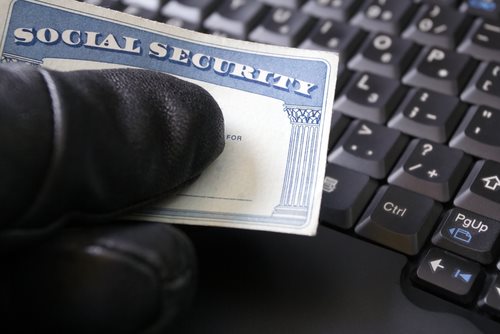
Kathryn Keneally, Assistant Attorney General for the Justice Department’s Tax Division, stated: “While all taxpayers are victims when criminals file false tax returns using stolen identities, those who falsely use the names of deceased individuals add to the grief and burdens of their families.”
Watts pleaded guilty on July 10, 2012, and he pleaded to one count of aggravated identity theft and one count of mail fraud.
IRS-Criminal Investigation Chief Richard Weber noted: “IRS-Criminal Investigation has made investigating refund fraud and identity theft a top priority and we will vigorously pursue those who undermine the integrity of the U.S. tax system. Individuals who commit refund fraud and identity theft of this magnitude deserve to be punished to the fullest extent of the law.”
Assistant U.S. Attorney Patrick J. King, Jr. with the Northern District of Illinois and Trial Attorney Michelle Petersen with the Department of Justice’s Tax Division were in charge of prosecution.