7 Ways to Stop Identity Theft
📅 2026 Update: Key Changes in Identity Theft Prevention
Since the original article was written, there have been important updates related to identity theft laws and protections in the U.S. These changes include new definitions, updated fees, and tools aimed at protecting consumers. The information provided here builds on the earlier article, which continues further down the page.
🛡️ New Protections for Young Consumers
On October 7, 2026, the U.S. Code § 1681c–1 was updated. This law now includes "protected consumers," defined as individuals under 16 years old or those unable to manage their financial affairs due to mental or physical conditions.
This change aims to enhance protections for vulnerable populations against identity theft.
💰 Costs of Identity Theft Protection
As of October 2026, the monthly fees for identity theft protection services range from approximately $5 to $30 for individual plans. This totals about $60 to $360 annually. Premium packages with more monitoring and restoration benefits may cost more.
Family plans can range from $180 to $750 or higher per year.
📞 Credit Freezes and Fraud Alerts
Consumers can now place a credit freeze at no cost. To do this, they must contact each of the three major credit reporting agencies: Equifax, Experian, and TransUnion. Fraud alerts are also free and can be placed by contacting one agency, which will notify the others.
⏱️ Quick Activation Times
Credit reporting agencies must activate a credit freeze within one business day if requested by phone or online. If the request is made by mail, it can take up to three business days. Fraud alerts are typically placed immediately upon request, allowing consumers to act swiftly against potential fraud.
📌 Summary of Key Updates
- 🛡️ New protections for consumers under 16 or who cannot manage finances.
- 💰 Individual identity theft protection ranges from $5 to $30 monthly.
- 📞 Credit freezes are free and must be activated quickly.
- ⏱️ Fraud alerts are placed immediately upon request.
💡 Practical Tips for Identity Theft Prevention
Review the details of your situation with your attorney.
🔒 Use Credit Freezes
Place a credit freeze to prevent identity thieves from opening new accounts in your name. This is a free tool available to all consumers and can be activated quickly by contacting the major credit reporting agencies.
⚠️ Set Up Fraud Alerts
If you suspect identity theft, place a fraud alert with one of the three major credit reporting agencies. This alert lasts for one year and notifies creditors to take extra steps to verify your identity before issuing credit.
📈 Monitor Your Accounts
Regularly check your bank and credit card statements for any unauthorized transactions. Early detection can help you respond quickly and minimize losses.
📞 Report Any Fraud
If you believe you are a victim of identity theft, report it immediately to the Federal Trade Commission (FTC) and local law enforcement. You should also contact the fraud departments of the major credit reporting agencies.
🛡️ Consider Identity Theft Protection Services
Look into identity theft protection services that offer monitoring of personal information. These services can alert you to potential fraud and may include identity theft insurance.
📄 Know Your Rights
Victims of identity theft have rights, including the ability to place fraud alerts and get free credit reports. Understanding these rights can empower you to take action.
🏆 Identity Theft Protection Services Ranked by User Reviews (2026)
Identity theft protection services help monitor personal information and alert consumers to potential fraud. This section lists services based on Trustpilot data as of October 2026. Ratings may change over time, and customer experiences can vary.
Unhappy customers often post more reviews, leading to different sample sizes.
🥇 1. LifeLock
LifeLock has been rated 4.9 on Trustpilot. It is known for providing comprehensive identity theft protection, credit monitoring, and financial alerts. However, some users have reported issues with notification speed and occasional upselling tactics.
🥈 2. Aura
Aura holds a Trustpilot score of 4.3. It offers digital security services, identity theft protection, and fraud monitoring. Some customers have noted concerns about the responsiveness of customer support.
🆓 Free Government and Nonprofit Help
Consumers can access free resources from the FTC and the Consumer Financial Protection Bureau (CFPB). These organizations provide information on identity theft prevention and recovery. Additionally, IdentityTheft.gov offers a step-by-step guide for reporting and recovering from identity theft.
🔎 What to Compare When Choosing Services
- 🔍 Cost: Look at monthly and annual fees.
- 🛡️ Coverage: Check what protections and features are included.
- ⏱️ Response Time: Evaluate how quickly alerts and freezes are activated.
- 📞 Customer Support: Assess the availability and responsiveness of customer service.
❓ Frequently Asked Questions
❓ What should I do if I suspect identity theft?
If you suspect identity theft, immediately report it to the FTC and your local law enforcement. Additionally, contact the fraud departments of the three major credit reporting agencies to place fraud alerts.
🔒 How long does a credit freeze last?
A credit freeze does not expire unless you choose to lift it. You can keep it in place as long as you want to prevent unauthorized access to your credit report.
⚠️ Are there penalties for identity theft?
Yes, identity theft is a federal crime. Penalties can include fines and imprisonment, depending on the severity of the crime.
📈 Can I get a free credit report?
Yes, you are entitled to free credit reports from each of the three major credit reporting agencies once a year. You can also obtain free reports if you are a victim of identity theft.
📄 How can I protect my debit and credit cards?
Regularly monitor your account statements and use strong, unique passwords for online banking. Immediately report any lost or stolen cards to prevent unauthorized transactions.
🛡️ What are my rights as a victim of identity theft?
Victims have the right to place fraud alerts, obtain free credit reports, and receive assistance from credit reporting agencies in correcting any fraudulent information.
⚖️ Recent Cases Related to Identity Theft
Recent court rulings have focused on identity theft cases and the legal implications for offenders. These cases highlight the importance of understanding identity theft laws and the rights of victims.
- Ohio Court of Appeals vacates theft conviction of CheathamOhio Court of Appeals · September 21, 2026
- Ohio court affirms misdemeanor theft conviction of ToppOhio Court of Appeals · September 21, 2026
- Ohio Court upholds sentence for James Wood in theft caseOhio Court of Appeals · September 28, 2026
- Ohio court upholds conviction of Rochelle Work for fraudOhio Court of Appeals · September 29, 2026
Explore more rulings on the news page.
End of October 2026 Update
Identity theft statistics show that this crime is growing at a staggering rate and your privacy, as well as quality of life is in danger. When you realize your identity has been stolen, contact an identity theft lawyer to acquire legal advice and assistance.
STEP 1: Secure your Business or Home with Locks and Alarms:
Although a simple set, the installment of locks and alarms on your premises will deter criminals from breaking into your business or place of residence. The installment of these security measures will impede criminals from accessing your personal records or information stored on your computer. The installment of deadbolts on your external doors, alarm systems (monitored by a security company) and the installment of security films, screens, or bars on exposed windows will prevent thieves from accessing your personal information.
STEP 2: Keep your Personal Records in a Safe:
By storing your tangible records (including customer records and other financial data on paper) in safes or secured areas, you are limiting their exposure and impeding identity thieves from accessing the information. If you do not feel comfortable purchasing safe or have trouble finding storage for a bulky unit, you should store your personal information in a security deposit box at your local bank.
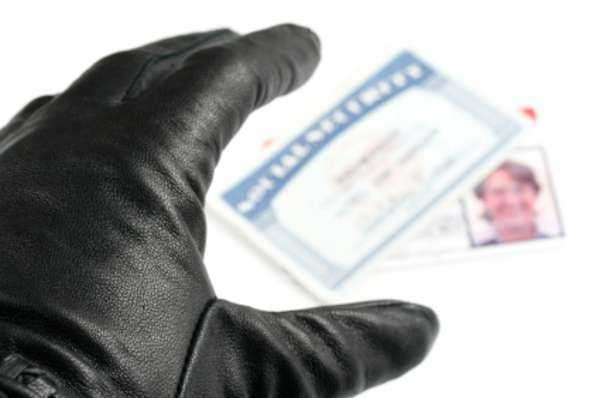
STEP 3: Shred your Documents:
All business records personal information containing financial numbers should never be tossed into the trash without being shredded first. If the documents aren’t shredded, a plethora of criminals and identity thieves can access the information copied on bills, financial statements, or personal documents. Numerous cases of identity theft result from mail services; anything that contains your name, address, or financial information must be shredded before they are discarded.
STEP 4: Limit Access to your Personal Computers:
All websites and online information must be protected through a unique and preferably lengthy personal password. Common passwords, such as birthdays or names, are susceptible to compromise; limit an identity thief’s ability to access your personal and financial information by utilizing a unique password.
STEP 5: Protect your Computer from Hackers:
Identity thieves, to access personal and financial information, hack into company databases and networks to usurp identities. All computers that contain financial or personal information should be protected by firewalls. These systems will help impede intruders by shutting out unauthorized users. Firewalls may be purchased at any computer store, online or in person. Additionally, a business owner may install a small router, which will contain numerous ports all blocked by firewalls to supply the user with another mechanism to dissuade identity thieves.
STEP 6: Be cautious of the Internet:
Purchasing items on the Internet through a credit card or checking account must be placed with caution; a consumer must ensure that the site they are accessing and utilizing is a secured site. Aside from various dangers, such as Spyware and viruses, unsecured sites may deliver your personal information to third parties, who in turn may usurp your information to commit egregious crimes.
STEP 7: Avoid Broadcasting Personal Information
When making purchases at retail stores or online, your personal information is often broadcasted or made tangible to various agents or other customers in the store. Although sometimes this is unavoidable, be sure to limit your personal information from exposure by developing an acute awareness. For instance, when using ATMs be sure to end your session after you have completed your transaction and close your windows or log-off after you have mad an online purchase.
7 Ways to Stop Identity Theft: Protect Yourself and Your Personal Information
Identity theft is a growing concern for individuals and businesses alike. Cybercriminals are finding new ways to obtain personal information and use it for fraudulent activities. Identity theft can lead to financial loss, damage to credit, and loss of reputatio n. However, there are effective ways to stop identity theft, protect yourself, and your personal information. Here are seven ways to prevent identity theft.
1. Use Strong Passwords and Two-Factor Authentication
One of the most effective ways to prevent identity theft is by using strong passwords and two-factor authentication. Avoid using common or easy-to-guess passwords. Use a combination of uppercase and lowercase letters, numbers, and symbols to create a strong password. Two-factor authentication provides an extra layer of security and requires a code or fingerprint to access an account.
2. Beware of Phishing Scams
Phishing scams can lead to identity theft by tricking individuals into giving away personal information. Be cautious of unsolicited phone calls or emails asking for personal information. Avoid clicking on suspicious links or downloading attachments from unknown senders.
3. Secure Your Devices and Networks
Securing personal devices and networks is vital in preventing identity theft. Use antivirus software to protect against malware and other cyber attacks. Enable firewalls, use secure networks, and avoid public Wi-Fi networks when accessing sensitive information.
4. Check Your Credit Report
Checking your credit report regularly can help detect any suspicious activity. Credit reports can be obtained from credit bureaus, such as Equifax or TransUnion. Review the report for any unauthorized accounts or activity and report any errors.
5. Shred Personal Documents
Shredding personal documents that contain sensitive information, such as bank statements and credit card bills, can prevent identity theft. Use a cross-cut shredder to ensure that the information cannot be pieced together.
6. Protect Your Social Security Number
The Social Security number (SSN) is a crucial piece of personal information and should be protected. Avoid carrying the SSN card in your wallet, and don't give it out unless necessary. Provide the SSN only when required by law or to obtain a financial benefit.
7. Monitor Your Accounts and Activity
Monitoring accounts and activity frequently can identify any suspicious activity. Check bank statements, credit card bills, and other financial statements for any unauthorized transactions. Report any discrepancies immediately to the respective institution.
Conclusion
Stopping identity theft requires a combination of vigilance, caution, and proactive measures. Using strong passwords, two-factor authentication, avoiding phishing scams, securing devices and networks, checking credit reports, shredding documents, protecting the SSN, and monitoring accounts and activity are effective ways to prevent identity theft. Individuals and businesses must take the necessary steps to protect themselves and their personal information to avoid identity theft and its negative consequences.